


-

Add: HeBei ShengShi HongBang Cellulose Technology CO.,LTD.
-

Email
13180486930@163.com -

CONTACT US
+86 13180486930






Exploring the Viscosity of HPMC A Unique Insight into its Applications and Benefits The world of additives and ingredients has been continually evolving, and among them, Hydroxypropyl Methylcellulose (HPMC) stands out due to its multifaceted applications and exceptional properties. One of its critical characteristics is viscosity, an essential factor determining its utility in various industries, from pharmaceuticals to construction. Understanding HPMC viscosity not only allows for better application but also ensures a superior product experience, reinforcing expertise, and establishing credibility in the market. Hydroxypropyl Methylcellulose, or HPMC, is a cellulose-derived polymer, known for its versatility and non-toxic nature. Viscosity, in the context of HPMC, refers to its resistance to flow, crucial in defining the product's performance. This characteristic can significantly influence how HPMC is used in different formulations, dictating everything from the texture of a product to its stability and efficacy. In the pharmaceutical industry, HPMC is a dependable asset due to its viscosity, which plays a pivotal role in drug delivery systems. For instance, its application as a controlled release agent hinges heavily on its viscosity properties. By adjusting the viscosity, manufacturers can tailor the release rate of active pharmaceutical ingredients, thus enhancing the therapeutic effect and improving patient compliance. Experts emphasize the precision required in calibrating HPMC viscosity to achieve desired drug-release profiles, showcasing professional expertise and technical know-how. Beyond pharmaceuticals, the viscosity of HPMC is also invaluable in the construction industry, particularly in the formulation of cement and tile adhesives. Here, the right viscosity ensures optimal water retention and workability. Construction experts often highlight the importance of selecting the appropriate viscosity level to ensure that cement mixes maintain their integrity and adhesion capabilities under various environmental conditions. This professional insight underlines the authoritative knowledge required to employ HPMC effectively in construction applications, contributing to the long-term durability of structures. hpmc viscosity The personal care industry similarly benefits from HPMC's viscosity . It acts as a thickening and gelling agent in creams and lotions, enabling the creation of products that deliver a luxurious feel and consistent performance. Savvy formulators understand that manipulating HPMC's viscosity can result in textures that enhance user experience, making the product both sensorially pleasing and functionally superior. This expertise is critical for brands aiming to establish trustworthiness with consumers who seek quality and reliability in personal care offerings. Trust in HPMC’s viscosity extends to its environmental friendliness and safety. Being biodegradable and derived from plant cellulose, it meets the increasing demand for sustainable ingredients, aligning with eco-friendly values. The trustworthiness that comes from using a product that is both effective and environmentally conscious cannot be overstated, especially in markets where consumer awareness around product sustainability is growing. Furthermore, scientific studies and historical usage reinforce the authority and trustworthiness of HPMC across industries. Research consistently demonstrates the stable performance of HPMC, with studies highlighting its low allergenic potential and adaptability in various formulations. This extensive documentation provides an authoritative backdrop, reassuring manufacturers and consumers alike of its efficacy and safety. For those entering the market or seeking to refine their product formulations, understanding HPMC viscosity is not merely an option but a necessity. Mastery of this attribute can lead to groundbreaking product innovations and improvements, securing a competitive edge in the industry. By consulting with chemists and industry experts, and referring to scientific literature, businesses can harness the full potential of HPMC, validating their commitment to quality and expertise. In conclusion, the viscosity of HPMC is more than just a physical property; it is a cornerstone of its application across diverse industries. With its ability to influence product performance and consumer satisfaction, HPMC stands as a testament to effective and trustworthy product formulation. Embracing its viscosity not only enhances product quality but also fortifies a brand's reputation as a leader in innovative and reliable solutions.
- 40000tons

Production
- 20+years

Experience
- 5000+㎡

Acreage

-
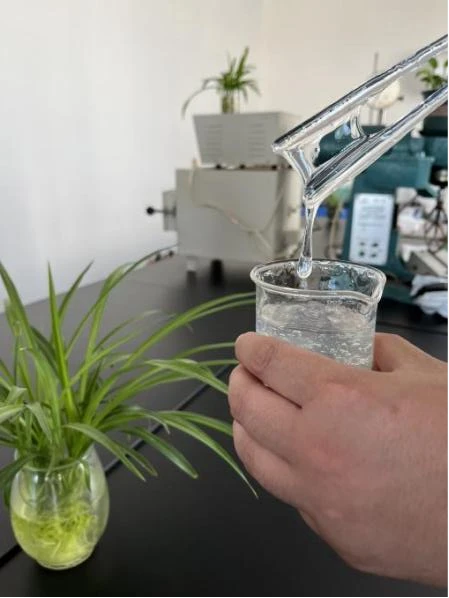
In recent years, polypropylene fiber for sale has gained significant traction as an essential additive in construction, particularly in the production of high-performance concrete. These fibers, made from a synthetic polymer, offer a wide range of benefits that improve the durability, strength, and performance of concrete structures. Whether you are constructing roads, buildings, or pavements, integrating polypropylene fiber for sale into your concrete mix can lead to superior results. The popularity of polypropylene fiber for sale has skyrocketed due to its cost-effectiveness and ability to enhance the physical properties of concrete. This type of fiber is known for its resistance to corrosion, reduced cracking, and improved overall flexibility. As an integral part of modern construction materials, polypropylene fiber for sale helps increase the longevity of concrete, reducing the need for frequent repairs or maintenance. In this article, we’ll explore the various uses of polypropylene fiber , how it improves pp fiber concrete , and the differences between fibre natural and synthetic fibers. The Role of Polypropylene Fiber in Concrete Applications Polypropylene fiber plays a crucial role in improving the structural integrity and performance of concrete. These fibers are incorporated into concrete mixtures to prevent cracking and improve the material's resistance to wear and tear. Polypropylene fiber works by distributing the stress throughout the concrete, thereby reducing the potential for cracking caused by shrinkage, thermal expansion, or external loads. When added to pp fiber concrete , these fibers enhance the overall toughness and impact resistance of the material, making it more resilient to sudden stresses, vibrations, and other environmental factors. Unlike traditional reinforcement methods, polypropylene fiber does not compromise the workability of the concrete but instead improves its flow and ease of application. The fibers help maintain uniformity and consistency in the mixture, ensuring that the concrete sets correctly and performs well over time. Whether you are working on residential, commercial, or infrastructure projects, the inclusion of polypropylene fiber in your concrete mix can lead to more durable and long-lasting results. It is especially useful in areas subject to frequent temperature fluctuations, freeze-thaw conditions, or high traffic, where concrete's performance is often tested. Benefits of Using PP Fiber Concrete in Modern Construction The use of pp fiber concrete is rapidly becoming a standard in modern construction due to its numerous advantages. PP fiber concrete refers to concrete that has been reinforced with polypropylene fibers, providing an added layer of protection and strength. This type of concrete has been shown to exhibit superior resistance to cracking, especially when exposed to shrinkage or tension stresses during the curing process. One of the key benefits of pp fiber concrete is its enhanced durability. The polypropylene fibers act as micro-reinforcements, which help distribute stress and absorb shock, significantly reducing the risk of cracks and improving the concrete's overall lifespan. This is particularly important in environments subject to heavy wear, such as highways, bridges, and industrial flooring. PP fiber concrete also has improved flexibility compared to traditional concrete, which allows it to handle dynamic forces without failing. Understanding Fibre Natural and Synthetic Variants When it comes to reinforcing materials, there are two primary categories of fibers: fibre natural and synthetic . Understanding the differences between these two types is crucial for selecting the right fiber for specific applications. Fibre natural fibers, such as those derived from plant sources like hemp, jute, and flax, are renewable and biodegradable, offering an eco-friendly alternative for construction applications. These fibers are primarily used in lightweight and non-structural concrete applications where sustainability and environmental impact are key concerns. However, fibre natural fibers generally have lower strength and durability compared to their synthetic counterparts, and they may be more susceptible to degradation in humid or wet environments. When it comes to pp fiber concrete , synthetic fibers like polypropylene fiber are the best option for enhancing performance, as they offer superior resistance to mechanical stresses and environmental conditions. Fibre natural fibers, while useful in some niche applications, do not provide the same level of performance and longevity as polypropylene fiber in concrete reinforcement. Polypropylene Fiber for Sale: Cost-Effectiveness and Availability If you are considering incorporating polypropylene fiber into your construction projects, polypropylene fiber for sale is widely available and cost-effective. The price of polypropylene fiber for sale is influenced by several factors, including the quality, quantity, and source of the material. However, despite these variables, polypropylene fiber for sale remains one of the most affordable options for reinforcing concrete, making it an attractive choice for contractors looking to improve concrete strength without raising project costs. Purchasing polypropylene fiber for sale in bulk or through trusted suppliers ensures that you get high-quality material at competitive prices. Whether you’re working on a large-scale infrastructure project or a smaller residential build, polypropylene fiber for sale can be an economical way to enhance the durability and performance of your concrete without breaking the budget. Given its long-lasting benefits and relatively low cost, polypropylene fiber for sale offers excellent value for money in both short- and long-term construction projects. P olypropylene fiber for sale , particularly in the form of pp fiber concrete , offers significant advantages in construction projects, making it an ideal choice for enhancing concrete durability, strength, and performance. The use of polypropylene fiber can improve the workability of concrete, reduce the risk of cracking, and extend the lifespan of structures. With its cost-effectiveness, superior resistance to environmental conditions, and availability in the market, polypropylene fiber for sale is an essential material for modern construction. Whether you are looking to strengthen your concrete or improve its overall performance, incorporating polypropylene fiber into your mix is a smart investment. By understanding the differences between fibre natural and synthetic fibers, you can make informed decisions about which reinforcement material best suits your needs. With the growing demand for durable, long-lasting construction materials, polypropylene fiber is quickly becoming a staple in the construction industry.
-
The Hydroxypropyl Methylcellulose (HPMC) market has witnessed remarkable growth over recent years, attributed largely to its versatile applications across various industries. As a critical component in the production of pharmaceuticals and food products, as well as an essential additive in the construction sector, HPMC’s influence and relevancy continue to expand. In the construction industry, HPMC is revered for its role as an additive in cement-based products. Its unique properties enhance water retention, improve workability, and increase the open time of mortar. Construction experts have noted that when incorporating HPMC in cementitious applications, there is a discernible improvement in the consistency and stability of the mixture. This can be attributed to its excellent bonding characteristics, making it an indispensable asset in tile adhesives and plasters. Contractors and builders frequently attest to the reduction in cracks and the improvement of surface finish when HPMC is part of the formulation, underscoring its reliability and performance. Meanwhile, within the pharmaceutical sector, HPMC is predominantly utilized as a drug delivery polymer. Its safety and efficacy are undisputed, thereby fortifying its reputation as a trusted excipient in the formulation of controlled-release medications. Pharmaceutical development teams appreciate HPMC’s versatility in modifying the release rate of active pharmaceutical ingredients (APIs), enhancing the bioavailability of drugs. Clinical pharmacologists and formulation scientists consistently emphasize its importance in ensuring consistent drug release kinetics, which is paramount for patient compliance and therapeutic effectiveness. Beyond these sectors , HPMC's applications in the food industry are gaining recognition. As a stabilizer, emulsifier, and thickener, it contributes significantly to the texture and stability of a wide variety of food products. Food technologists and quality assurance experts highlight its role in maintaining moisture within bakery products, improving the freeze-thaw stability of frozen foods, and its ability to form films and impart viscoelastic properties in food matrices. Through its multifunctional roles, HPMC aids in achieving desired sensory attributes and extending product shelf life, which are crucial parameters in today’s competitive food market. hpmc market Market analysts tracking the HPMC sector have observed a increasing adoption of this ingredient, driven by the sustainable and biodegradable nature of cellulose derivatives. This trend aligns with the global shift towards greener, more sustainable solutions in industrial applications. Furthermore, the growing demand for efficient, high-performance additives provides a fertile ground for future innovations within the HPMC landscape. Experts in chemical engineering and sustainability are actively exploring novel pathways to augment the environmental footprint of HPMC, solidifying its role as a front-runner in sustainable additive technology. Stakeholders from across the HPMC value chain, including buyers, product developers, and researchers, trust the consistent quality and performance of HPMC products from leading manufacturers. This trust, predicated on a robust track record of safety, efficacy, and compliance with regulatory standards, strengthens its position in the global market. As industries continue to innovate, the reliance on high-quality, adaptable ingredients like HPMC will undeniably increase, reinforcing both its market presence and its critical role across multiple sectors. In conclusion, the HPMC market encompasses a broad spectrum of applications, each with its own set of performance expectations and industry standards. Its unparalleled versatility, combined with expert validation and a strong sustainability profile, keeps HPMC at the forefront of industrial and consumer product formulation, securing its place as a critical ingredient for future innovation and development.
advantages
-

200000 Viscosities
Excellent product
We can produce pure products up to 200,000 viscosities
-

40000 tons
High yield
We don’t stop production all year round, and the annual output can reach 40,000 tons
-

24 hours
Quality service
We provide 24-hours online reception service, welcome to consult at any time
———— Inquiry Form
Schedule A services

-
 hpmc_ltd
Oct . 25, 2025
In the ever-evolving construction industry, materials that enhance performance, longevity, and effic -
 rubber_powder-821_uses
Oct . 25, 2025
HPMC E5 LV, connu sous le nom de hydroxypropylméthylcellulose, est un polymère essentiel dans l'indu -
 synthetic_acrylic_fibre
Oct . 25, 2025
In the modern construction industry, the performance of building materials is critical to ensuring d


